
Daytime fatigue at work is more than just an inconvenience; it can pose significant dangers to your health, productivity, and overall safety. Here’s a look at why daytime fatigue is hazardous and how Cranial Facial Release (CFR) can provide relief.
The Dangers of Daytime Fatigue at Work:
1. Reduced Productivity:
Decreased Efficiency: Fatigue can lead to slower cognitive processing, making it difficult to complete tasks efficiently.
Poor Concentration: Tiredness affects your ability to concentrate, resulting in mistakes and overlooked details.
2. Increased Risk of Accidents:
Workplace Injuries: Fatigue increases the likelihood of workplace accidents, especially in jobs that require physical labor or the operation of machinery.
Driving Hazards: If your job involves driving, fatigue can impair your reaction time and judgment, increasing the risk of road accidents.
3. Impaired Decision Making
Poor Judgment: Fatigue can cloud your judgment and lead to poor decision-making, affecting your job performance and potentially causing costly errors.
Risk-Taking Behavior: Tired individuals are more likely to engage in risky behaviors due to impaired judgment.
4. Negative Impact on Health:
Chronic Stress: Persistent fatigue contributes to chronic stress, which can have long-term health consequences such as hypertension, heart disease, and diabetes.
Mental Health Issues: Daytime fatigue is linked to mental health problems, including depression and anxiety.
5. Strained Relationships
Interpersonal Conflicts: Fatigue can make you irritable and less patient, leading to conflicts with colleagues and supervisors.
Reduced Collaboration: Tiredness can make you less sociable and less willing to engage in teamwork, affecting workplace harmony and productivity.
How Cranial Facial Release (CFR) Can Help:
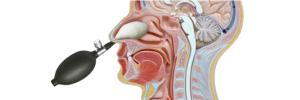
Cranial Facial Release is an advanced, non-invasive technique that can address the underlying causes of fatigue, particularly if related to breathing difficulties and poor sleep quality.
Benefits of CFR for Reducing Daytime Fatigue:
1. Improved Breathing:
Enhanced Airflow: CFR opens up nasal passages, promoting smoother and more efficient breathing. Better oxygen intake can help reduce fatigue and improve energy levels.
Reduces Sleep Apnea Symptoms: By improving airway function, CFR can alleviate symptoms of sleep apnea, a major cause of daytime fatigue.
2. Better Sleep Quality:
Promotes Restful Sleep: With improved breathing, you can experience deeper, more restorative sleep, reducing the likelihood of daytime drowsiness.
Reduces Snoring: Clearer nasal passages can lead to reduced snoring, allowing for uninterrupted sleep and better rest.
3. Enhanced Cognitive Function:
Improves Focus and Concentration: Better oxygenation and improved sleep quality can enhance cognitive functions such as memory, focus, and concentration.
Boosts Productivity: With reduced fatigue, you can work more efficiently and effectively, improving overall job performance.
4. Reduces Physical Discomfort:
Alleviates Tension: CFR helps relieve tension in the facial and cranial muscles, reducing headaches and other discomforts that contribute to fatigue.
Supports Overall Health: Improved breathing supports overall health, reducing the risk of chronic conditions associated with poor sleep and fatigue.
Conclusion:
Daytime fatigue at work is not only irritating but also dangerous, affecting your productivity, safety, and overall health. Addressing the root causes of fatigue is crucial for maintaining your well-being and job performance. Cranial Facial Release offers a non-invasive, effective solution to help you breathe better, sleep better, and reduce daytime fatigue.